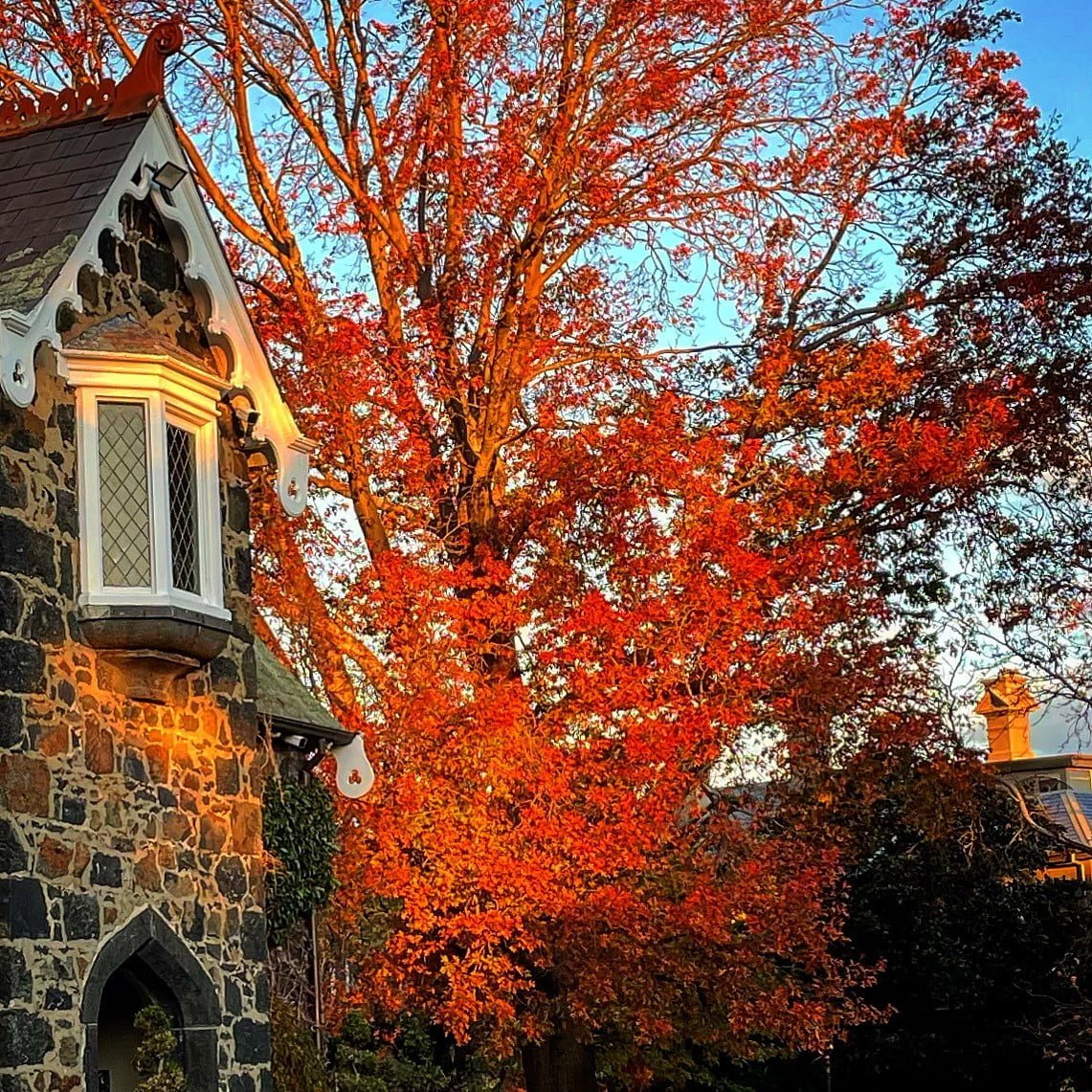
Built in 1850–51 by Sir James Frederick Palmer, Invergowrie in Hawthorn was made entirely from local bluestone — the dark volcanic rock that gave Melbourne so much of its character.
What we call “bluestone” is actually olivine basalt, formed by huge lava flows over the last two million years that shaped the vast volcanic plains of western Victoria. By the mid-1800s, it was the go-to material for roads, bridges, public buildings — and homes like Invergowrie.
Back then, quarries along Merri Creek in Clifton Hill and Collingwood were busy supplying the growing settlement. The Melbourne Corporation (the local government of the day) oversaw many of them, and convict labour from the nearby Collingwood Stockade was often used to cut and haul the stone.
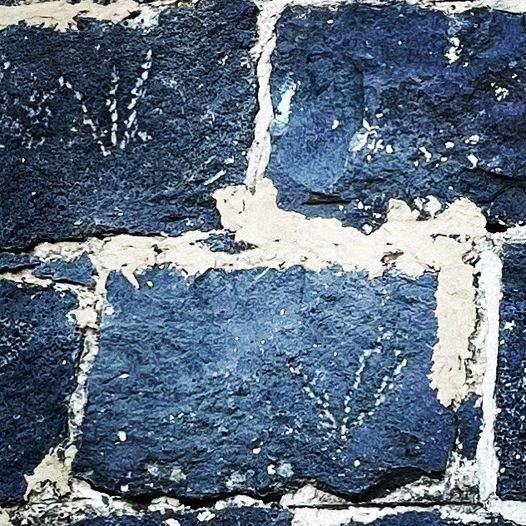
Given the timing and how close these quarries were to Hawthorn, it’s very possible that the bluestone for Invergowrie came from there. Some of the blocks even carry the broad arrow mark — the symbol of the British Crown. In colonial times, it showed materials had been produced under government supervision or ownership.
So when you look at Invergowrie’s walls today, those little markings tell a big story — one that ties together geology, history, convict labour, and the early days of Melbourne itself.
The Tomisich family is proud to care for Invergowrie, preserving this cultural history so that future generations can connect with the stories, craftsmanship, and heritage that shaped our city.